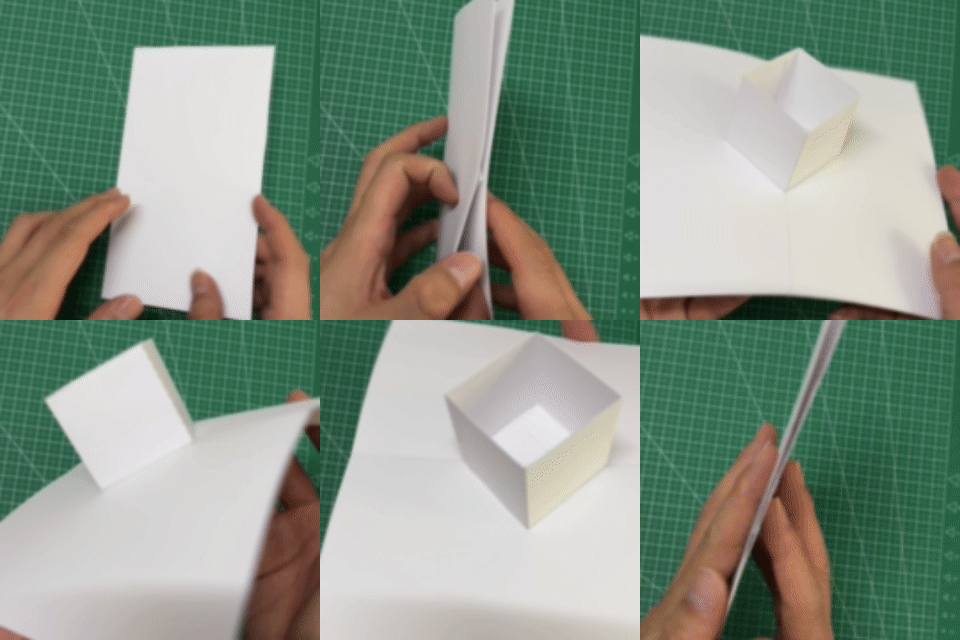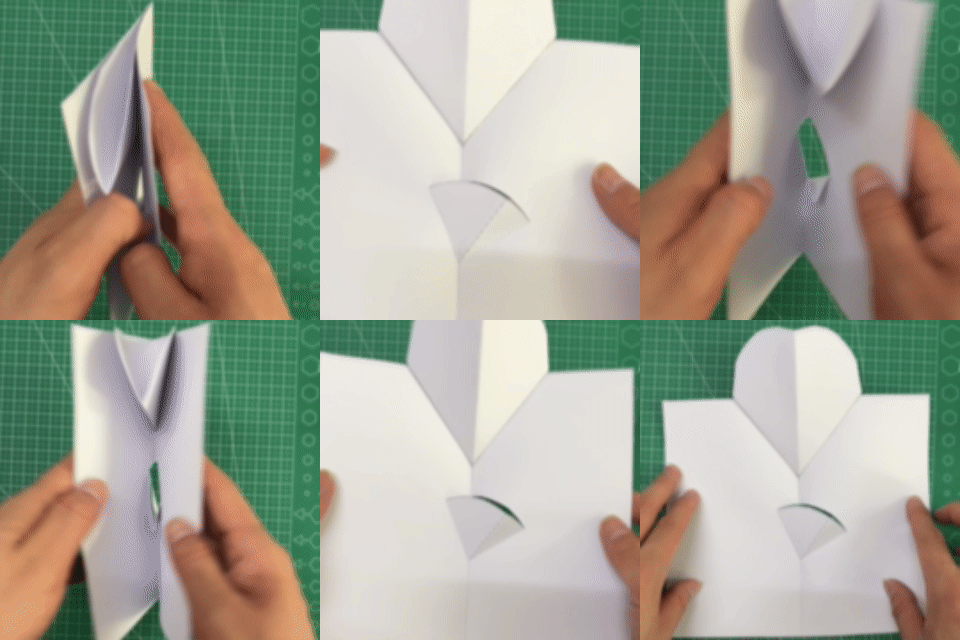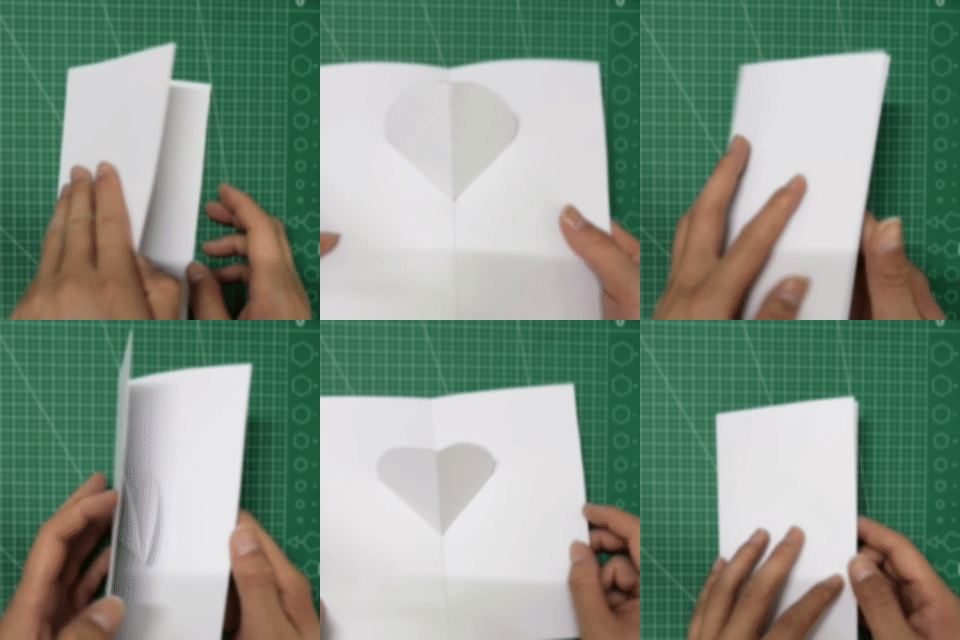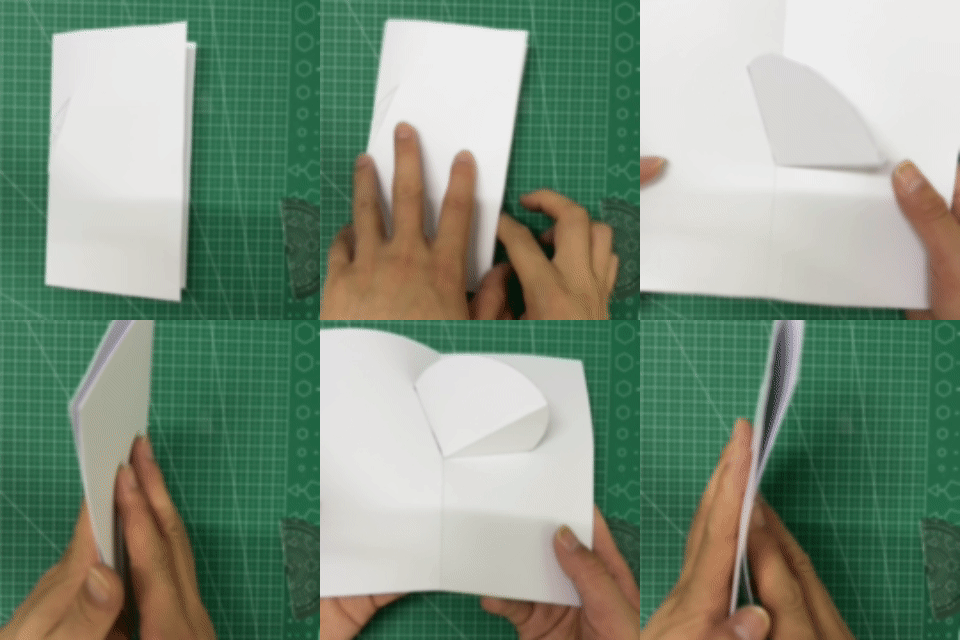
In pop-up design, the V-fold is one of the most essential foundational structures. The asymmetrical V-fold is an important advance beyond the standard version because it can produce movement that feels more dynamic, irregular, and expressive.
In a 180 degree asymmetrical V-fold, the left and right fold lines do not match exactly in length, angle, or position. That imbalance creates directional opening behavior, which allows pop-up elements to shift, rotate, or lean as the page opens. This makes the structure especially useful for character action, architectural perspective, and layered scenes.
Once you understand the asymmetrical V-fold, you move from simply building mechanisms to designing them with intent. It is a key structure for breaking down and planning more complex pop-up systems.
Mechanism Category
Primary Category: 180 Degree Structure
Core Mechanism: V-Fold / Asymmetrical Structure / Foundational Structure / Dynamic Support Structure
Structural Traits: Unequal fold lines, directional opening, and stronger visual movement
Typical Uses: Character action / Architectural perspective / Layered scenes / Advanced mechanism design
Let's fold it together. Here are the step-by-step instructions:
Step-by-Step Guide
Step 1: Prepare the materials and understand the structure
Before making the 180 degree asymmetrical V-fold mechanism, prepare the basic tools first:
- Cardstock, ideally 200g-300g
- Scissors or a craft knife
- A ruler, preferably a metal ruler
- A pencil for light marks
- A scoring tool, or a pen if you do not have one
The key concept is that an asymmetrical V-fold is not just a random uneven drawing. Its core logic is that the two fold lines differ in length, angle, or position, while both of them still connect back to the center fold, or spine. Without that shared connection, the structure will not open and close correctly.
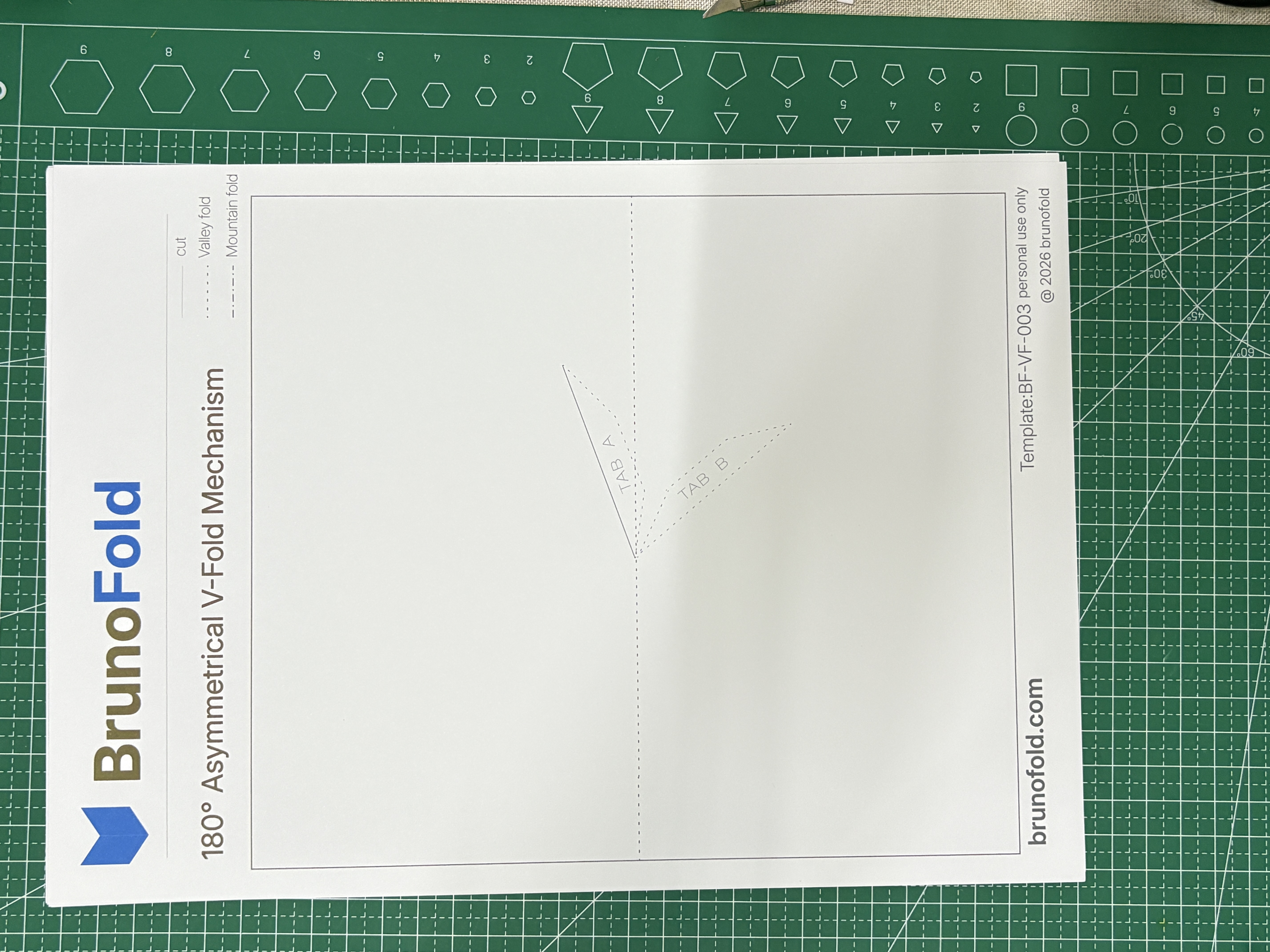
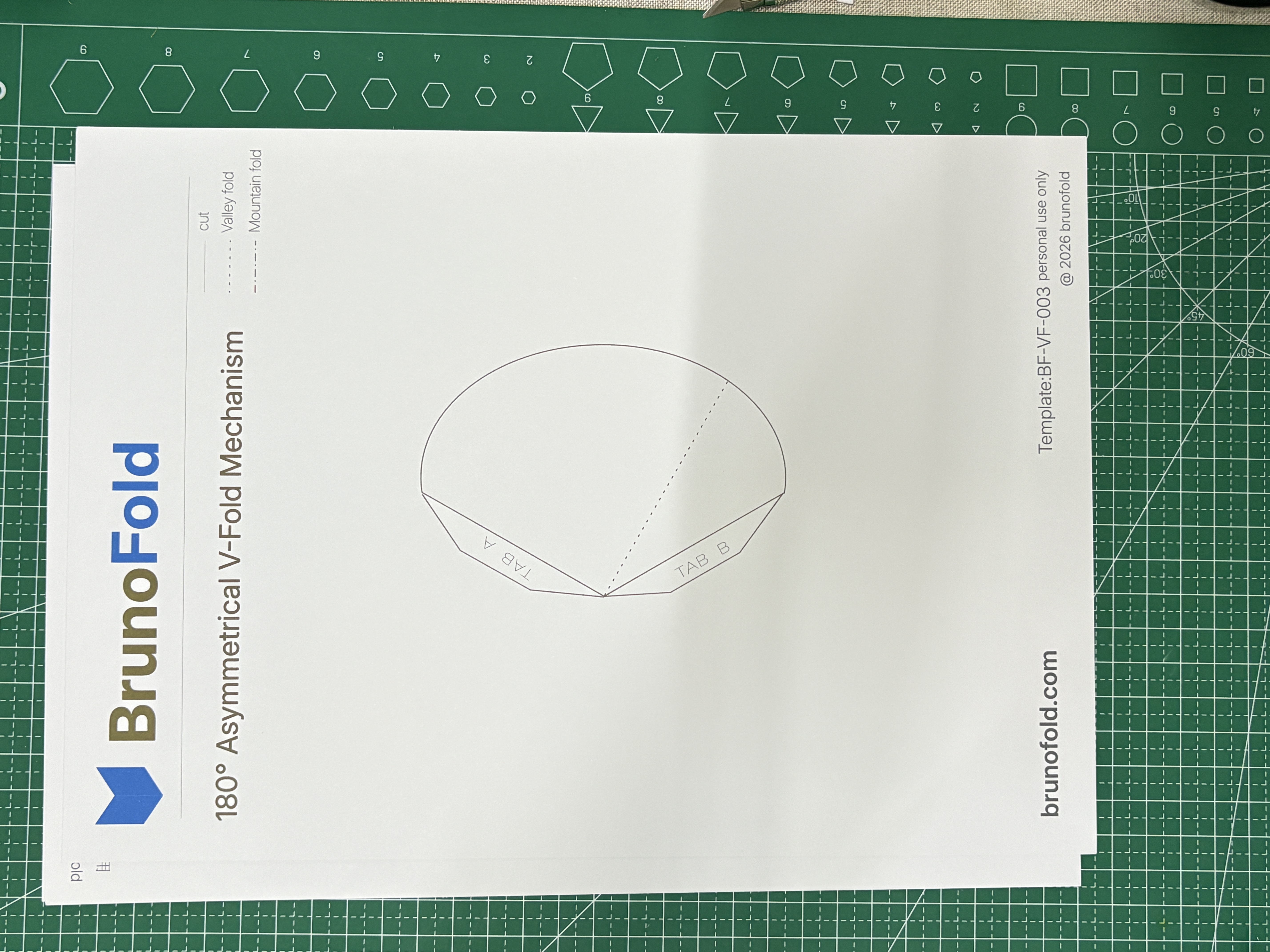
Step 2: Identify the cut lines and fold lines on the template
Do not rush into cutting as soon as you receive the template. Start by reading the line types carefully so you can tell which lines are for cutting, which lines are for folding, and which areas are meant for gluing.
In most templates:
- Solid lines are cut lines
- Dashed lines are fold or score lines
- Marked areas are glue tabs or glue zones
In the 180 degree asymmetrical V-fold mechanism, the V-shaped fold lines on the left and right sides are intentionally different. You will notice differences in length, angle, or position, and that difference is exactly what creates the directional movement in the finished pop-up.
This stage is less about drawing and more about understanding the structure first. Once the function of each line is clear, the later cutting and folding steps become much more reliable.
Step 3: Cut, score, and complete the assembly
Cut along the outer cut lines of the template carefully, then score the fold lines before you begin folding. Scoring first makes the creases cleaner and gives the finished structure a more controlled result.
Then follow the template to complete the fold:
- Fold the center base along the middle line
- Raise the two asymmetrical V-fold sides in their intended directions
- Fix the glue areas onto the base page or the marked positions
After assembly, open and close the card gently. You will see the structure rise more strongly toward one side as it opens. That directional motion and shifting three-dimensional effect are what make the asymmetrical V-fold especially interesting.
Steps 2 and 3 currently reuse the Chinese visuals because separate English versions were not provided.
Next Article
180 Degree V-Fold Open Box Mechanism Guide | Structure and Applications