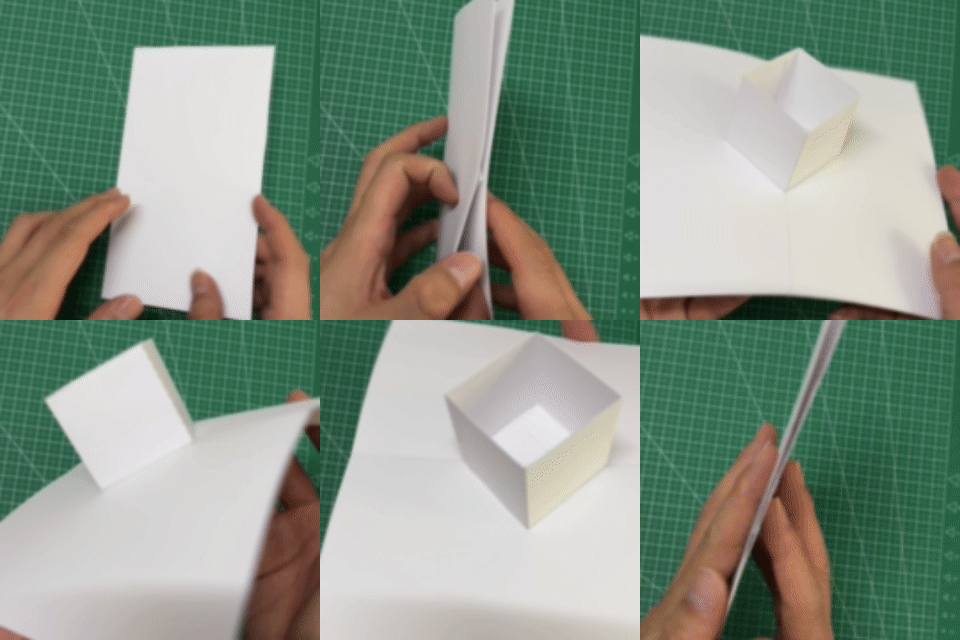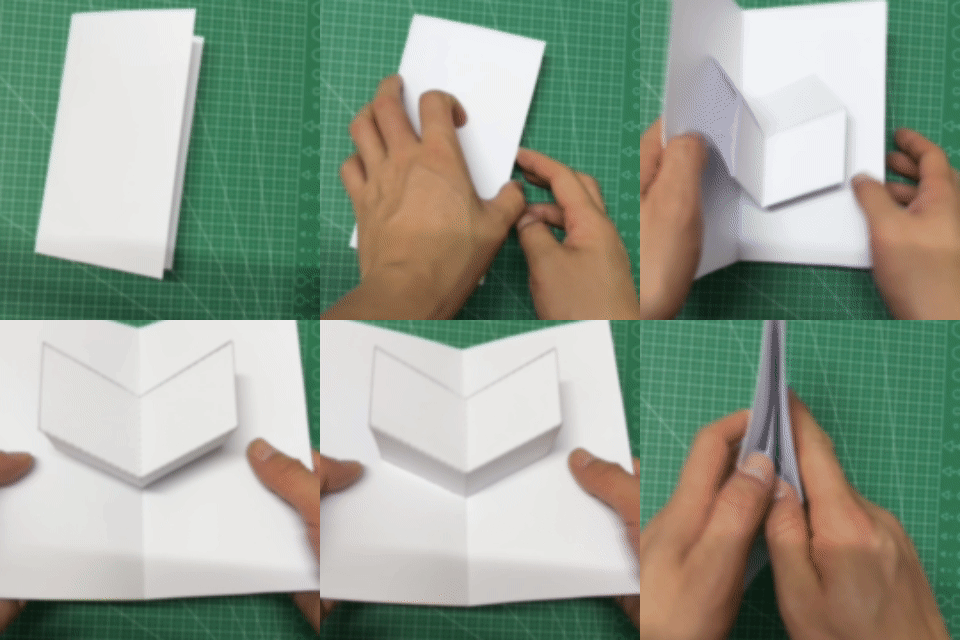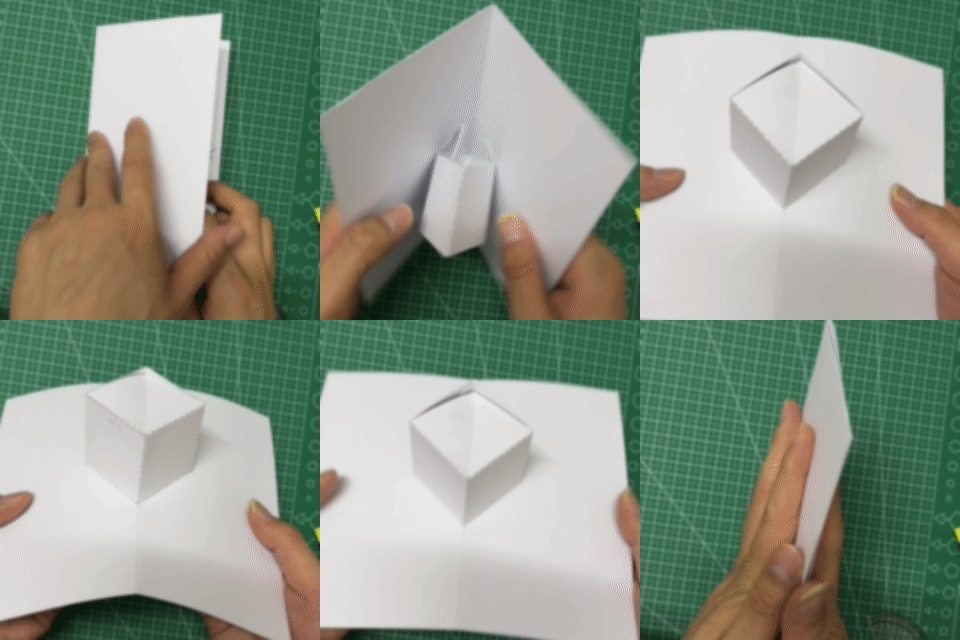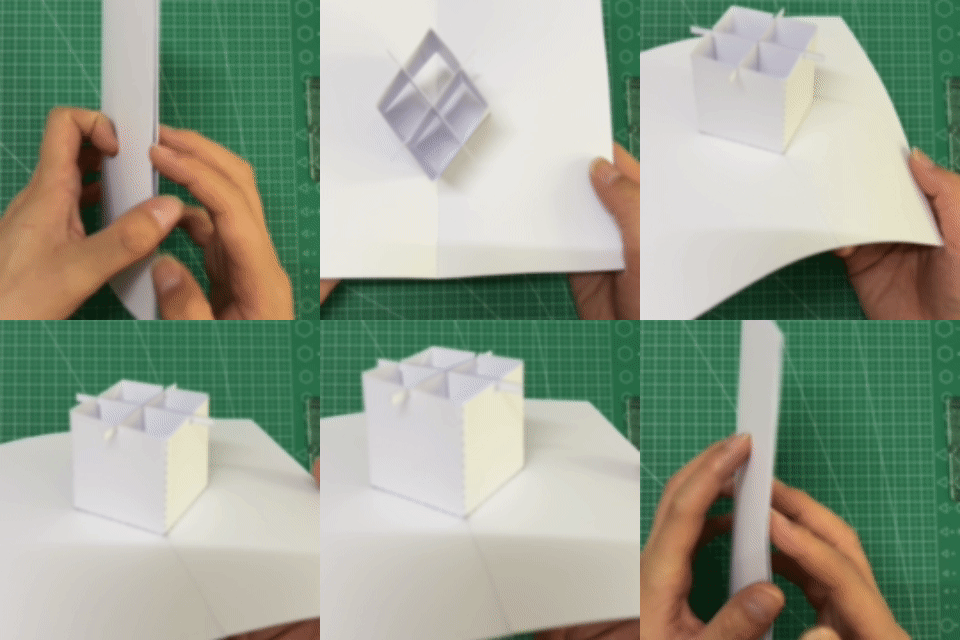
This is an upgraded three-dimensional mechanism built from the classic 180 degree V-fold open box structure. By adding crossed interior planes, the mechanism creates a more complex and more layered spatial effect when the card opens.
Compared with a standard V-fold open box, this version not only keeps the stable self-opening behavior of the base structure, but also creates four-direction support inside the box. That makes the visual center feel more focused, which is especially useful when you want to present a main subject such as a building, a character, or the central object in a scene.
If you already understand the basic V-fold or parallel open box structures, this crossed-plane version is a strong next step in your pop-up design practice.
Mechanism Category
Primary Category: 180 Degree Structure
Core Mechanism: V-Fold / Open Box Structure / Crossed Interior Planes / Cross Support Structure / Advanced Structure
Structural Traits: Adds two crossed planes inside a V-fold open box so the opened form gains a stronger center, richer layering, and four-direction spatial extension
Typical Uses: Building subjects / Character displays / Scene centerpieces / Pop-up layouts that need multi-direction support
Let's make one together. Here are the detailed steps:
Step-by-Step Guide
Step 1: Download the template and prepare the materials
First, download the printable template for this mechanism and prepare the following basic tools and materials:
- 250g cardstock is recommended for better stability, though 200-300g also works
- Scissors or a craft knife
- A metal ruler for cutting and scoring support
- Glue or double-sided tape
- A scoring tool, or an empty ballpoint pen
After printing the template, you will see several important line types:
- Solid lines: for cutting
- Dashed lines: for scoring and folding
- Center symmetry line / reference line: for structural alignment
Compared with a standard V-fold, this version adds crossed interior planes. Study how the faces connect before you start cutting and folding.
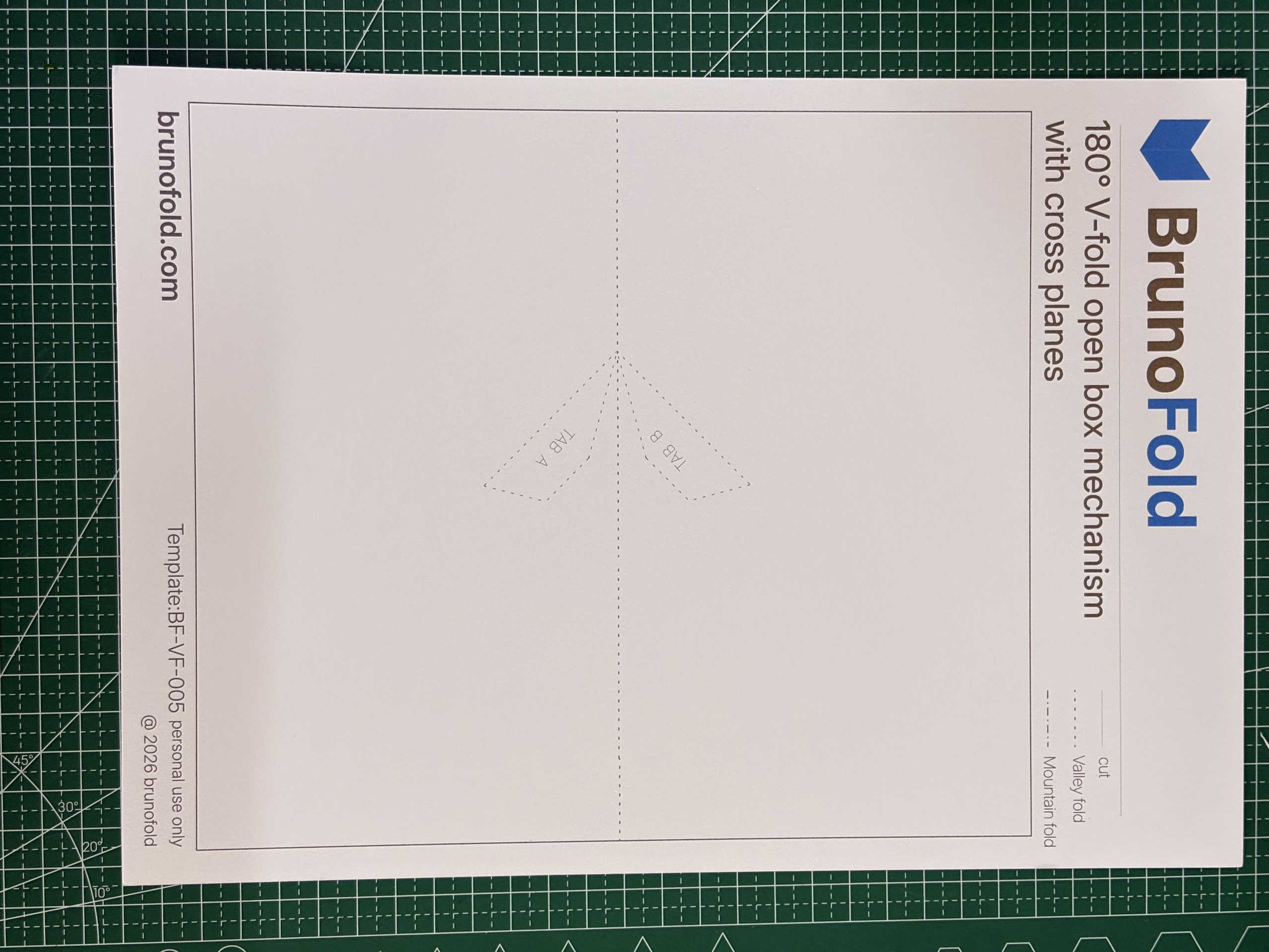
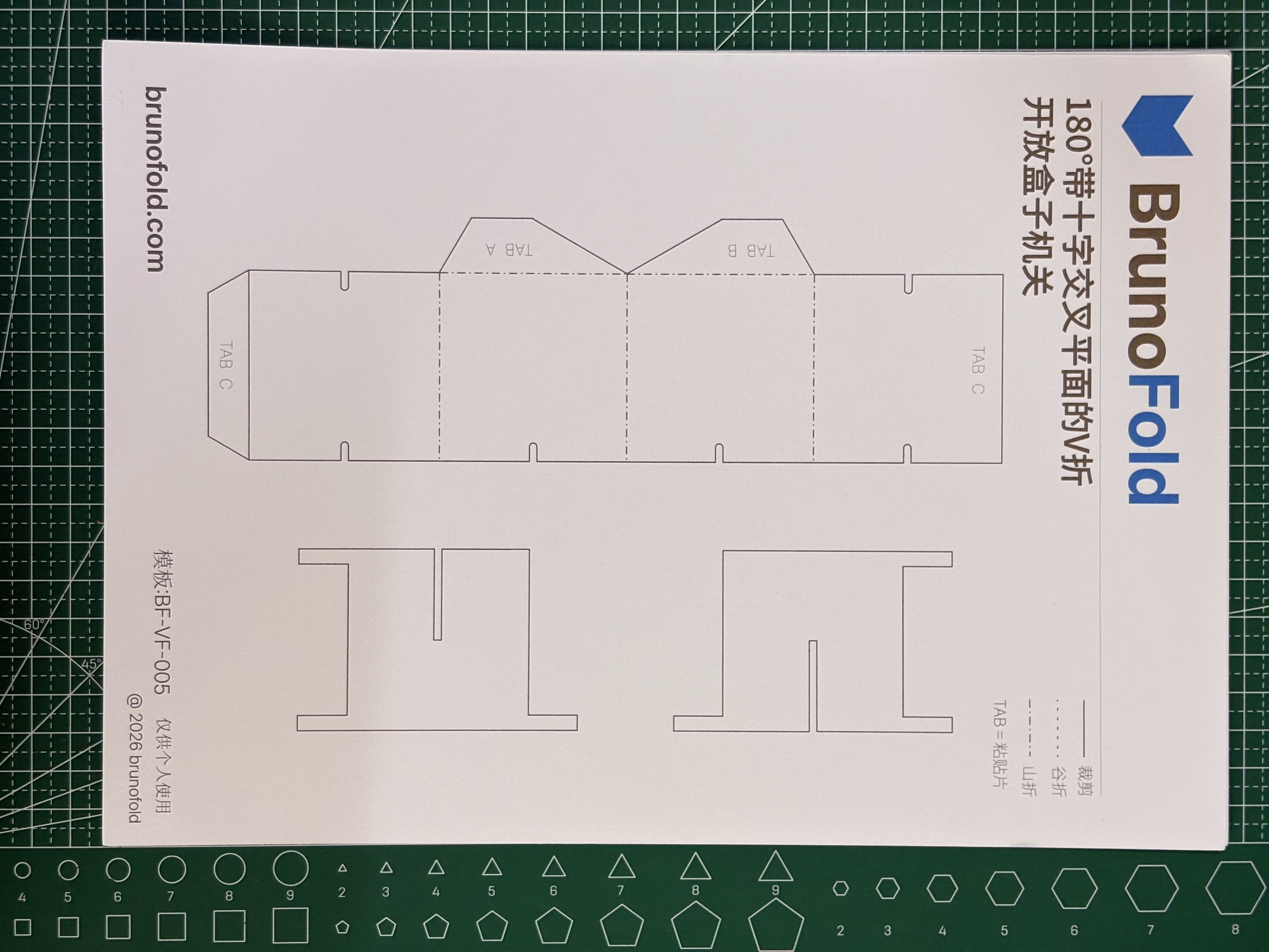
Step 2: Cut the template and score the fold lines
Use scissors or a craft knife to cut along every solid line and keep the edges clean.
Next, score along every dashed line:
- Align the fold lines with a ruler
- Press the fold line lightly with a scoring tool instead of folding hard immediately
Why does scoring matter so much? Because this crossed structure contains multiple overlapping folded surfaces. Without scoring in advance:
- The folds can slip out of alignment
- The center crossed area can bulge or deform
- Opening and closing will feel less smooth
Helpful tips:
- Score every fold line lightly first, then fold everything in sequence
- Be especially precise with the fold lines around the center crossed area
Step 3: Assemble the crossed-plane V-fold structure
This is the most important stage of the whole mechanism.
1. Build the basic V-fold open box first
- Fold the left and right sides inward according to the template
- Form the basic V-fold driving structure
- At this stage, opening the card should already start to push the box outward
2. Assemble the crossed interior planes
- Find the two crossed plane pieces in the middle of the template
- They usually form a perpendicular cross shape
- Insert or glue them in order so both planes meet at the center
Key points:
- The two crossed planes must align at the center
- Their folding directions must match, or they will interfere with each other
- Do not glue everything permanently at the start; test the opening motion first
3. Test the movement and lock the structure in place
- Open the card slowly to 180 degrees
- Check whether the structure opens fully
- Check whether the overall form stays symmetrical
- Check whether the center remains stable
After everything moves correctly, fix the remaining glue points.
When finished, you will have an open box mechanism that expands automatically, creates a crossed spatial core inside, and delivers much stronger depth than a standard V-fold. It is more complex than the ordinary version, but it also creates a stronger visual impact and can carry content that extends in four directions.
Step 1 includes one English-specific visual. The second Step 1 image, plus the Step 2 and Step 3 visuals, currently reuse the Chinese version because separate English images were not provided.